
Our Favorite Non-candy Easter Egg Fillers

Our Favorite Non-candy Easter Egg Fillers

We have a tradition of hosting a neighborhood Easter egg hunt. We like to fill at least half of the eggs with non-candy treats, so over the years we have gathered lots of ideas. In this post, we share our favorites with you, plus some tips for hosting an Easter egg hunt.

Wishing you a blessed and joy-filled Easter!

Flower seeds
Flower seeds

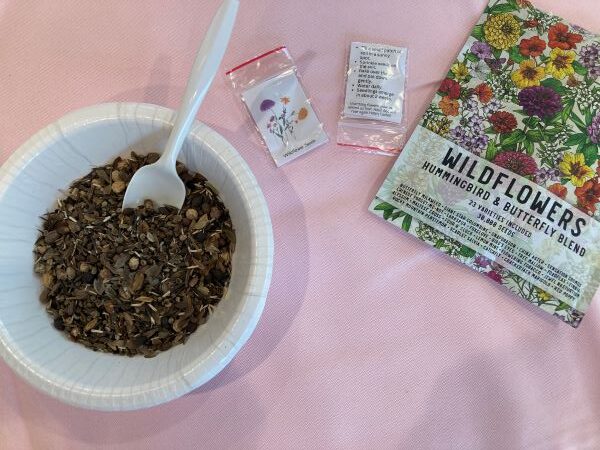
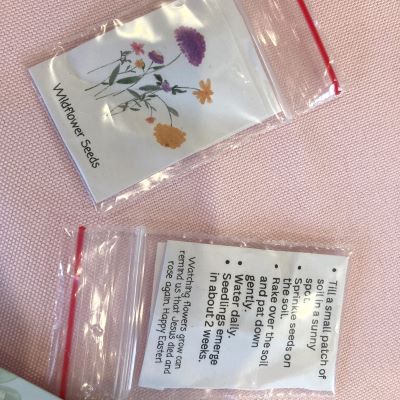
My favorite Easter egg hunt tradition is placing tiny bags filled with flower seeds in the Easter eggs. It’s such a fun way to welcome in the spring and summer seasons! We wanted to share our wildflower seeds printable with you – it’s free, just subscribe in the form below. The printable has an image of wildflowers on one side and directions for planting seeds on the other. We have used these tiny bags (1.5″x2″).

Tips for preparing the seed bags:

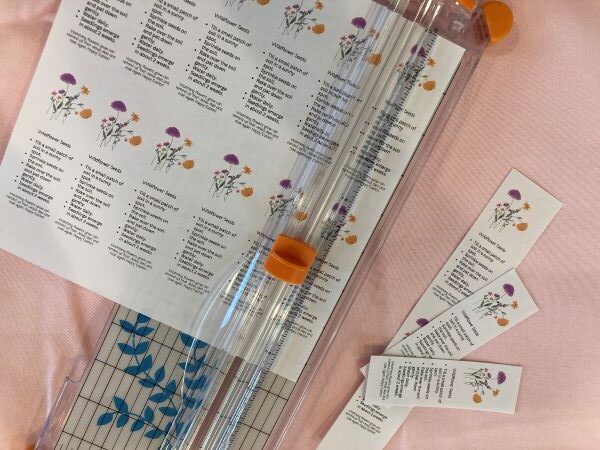
1. Print the flower seed directions (use the sign-up form below if this link does not work) and cut them with a paper cutter or scissors. 

2. Pour the wildflower seeds into a dish.

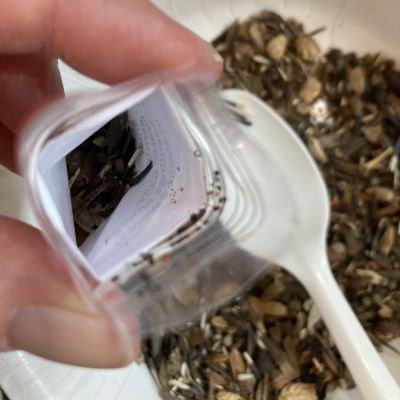
3. Fold papers and insert them into bags so that directions are visible on one side and the flower image visible on the other.

4. Place a spoonful of seeds into each bag, seal the bag, and place the bag in an Easter egg.
Mini puzzle pieces
Mini puzzle pieces

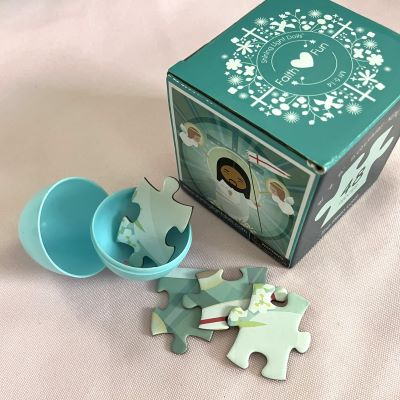
For the first time last year, we added puzzle pieces to our Easter egg hunt. I was not sure how it would go, but to my pleasant surprise it was a hit! (And all of the eggs with the puzzle pieces were found.)

Here’s what we did:

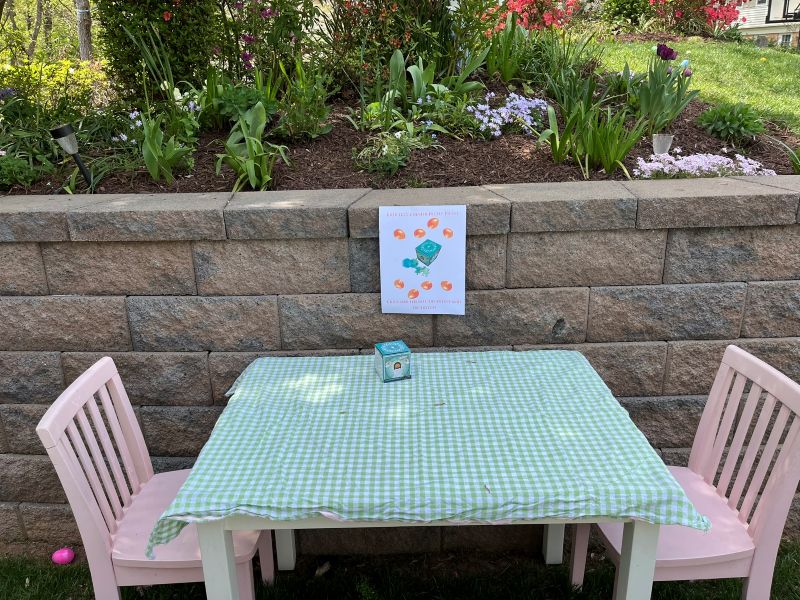
We placed the mini puzzle pieces in golden eggs. We announced at the beginning of the hunt that if children found golden eggs, they should bring them to a table that we had set out just for the purpose of making the puzzle.

Once all the eggs were found, children could choose to work on the puzzle during our Easter gathering. The child who put in the last piece of the puzzle got to take the puzzle home. 

Tip: Be sure the puzzle pieces are small enough to fit in the eggs you choose. We found the sweet Easter puzzle pictured here from the Shining Light Dolls shop, but another good option with small pieces is a mini bunny puzzle from Mud Puppy.  
More Non-Candy Easter Egg Filler Ideas…

Please note that the links provided in this post might be for an item similar to the one pictured, rather than the exact item.
Finger puppets

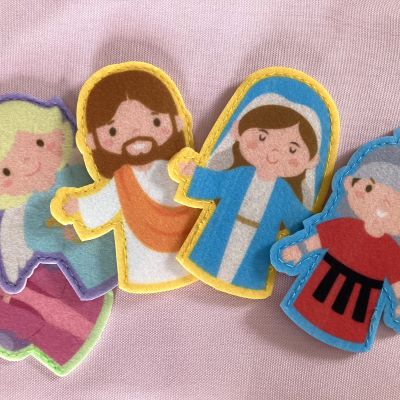
We found these fun Easter story finger puppets last year. (These needed to be folded and put into larger Easter eggs.) In the past, we have also used cute little animal finger puppets.
Little "Lego" sets

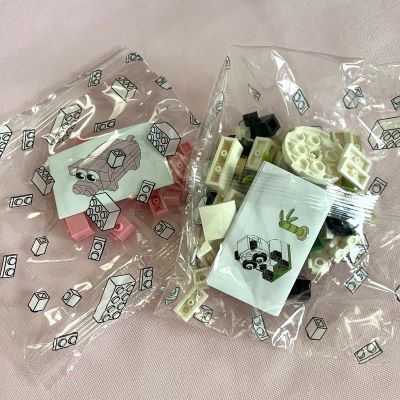
Little “Lego” sets are so fun to take home to build.
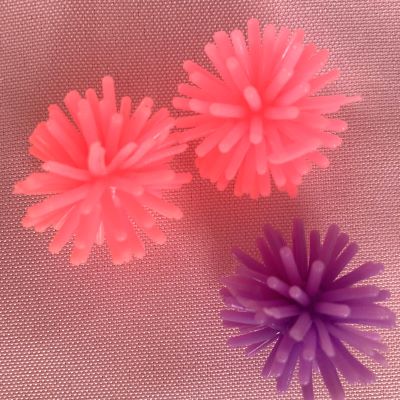
Mini balls

Tiny balls are a fun treat to find.
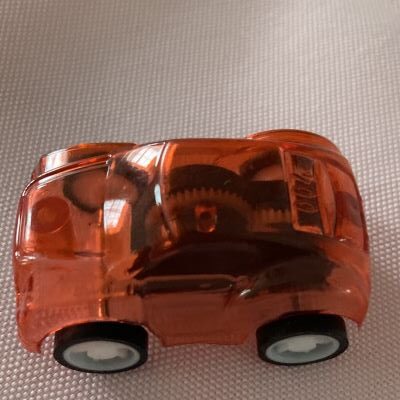
Wind-up cars

Mini wind-up toys, like toy cars fit nicely inside of eggs.
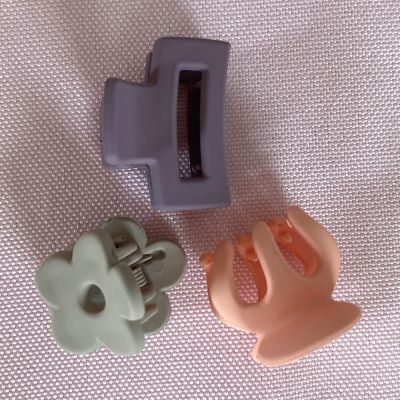
Mini hair clips or barrets

Girls love to find new hair accessories in their Easter eggs. (If boys find them, they can always make a trade.)
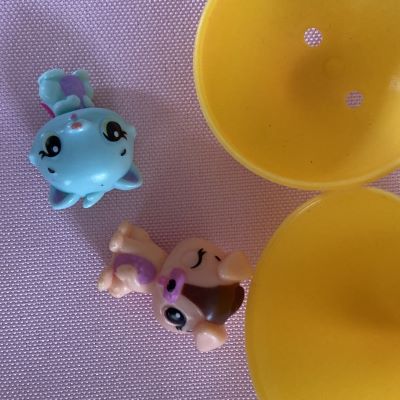
Little critters

Similar to what you might find in a Hatchimal, or just hiding Hatchimals in their own eggs works too.
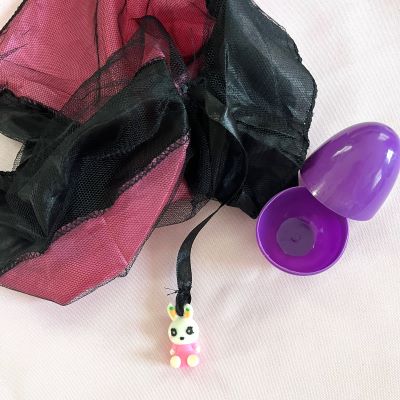
Parachute bunny

We found parachute bunnies for the first time last year. So fun!
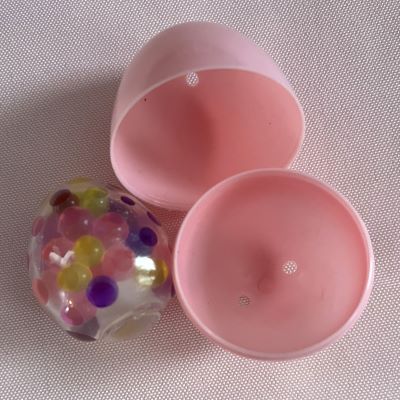
Squishy eggs
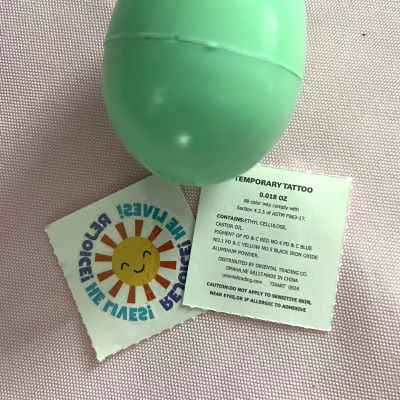
Temporary tattoo

Some children enjoy temporary tattoos – we found some with an Easter theme.
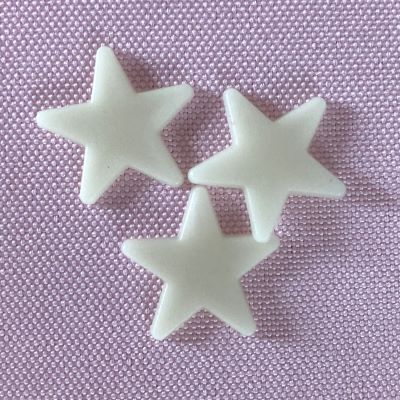
Glow in the dark stars

Children can take these stars home and hang them in their room. (You may want to announce at the beginning of the hunt that there will be glow in the dark stars – just in case children don’t know what they are for.)
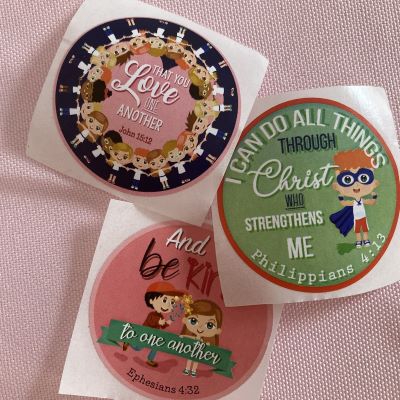
Stickers

We love to have stickers with messages about God’s love and Easter joy. The stickers shown in this image are from Amazon, but if you are looking for extra special stickers, I would suggest Marigold Catholic Goods and Just Love Prints

Coins

This idea is thanks to one of the neighborhood children who asked, “Will there be money in the eggs?” We have not done this yet, but what a fun and simple idea.
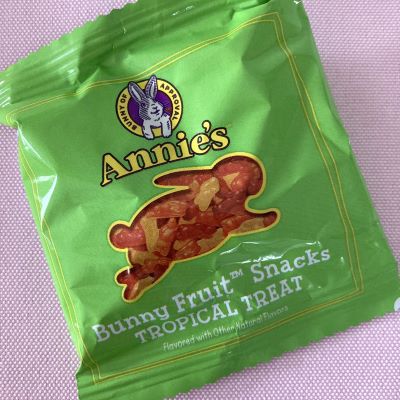
Fruit gummies

Not candy, but still a sweet treat. Annie’s Bunny gummies are a favorite.

As I started to write this post, I thought we had 15 ideas, but as I wrote, I thought of a few more ideas we have used that kids love:

Mochi squishies

Cute animal erasers (that can come apart)

Erasers with Easter messages


Also, if you are looking for candy treats that are at least all natural (though, we can’t call them healthy), we often get our candy from Natural Candy Store. They also have allergy-friendly options.

Another tradition we love is to hand the children mini bubble wands as they arrive at the hunt. This way they have something to do as we wait for everyone to arrive and for the hunt to start.

We like to include all of the neighbors in the Easter celebration, whether or not they have young children, so we serve drinks and refreshments after the egg hunt. Friends often bring something to share as well.

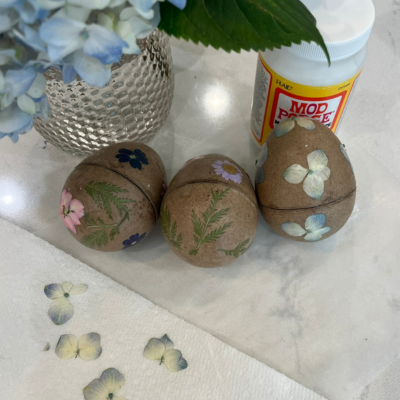
We also have a craft table for children who want a calm activity to do after the hunt. Perhaps we’ll make a post in the future about some of the crafts we’ve done over the years. Last year we made paper eggs with dried flowers (we had to do this activity inside so that the flowers did not blow away).

Sometimes we’ve done Easter-themed activities (like sack races and egg and spoon races), but children just enjoy running around and making their own games, too.

This makes for a relaxing and joyful way to celebrate Easter together.
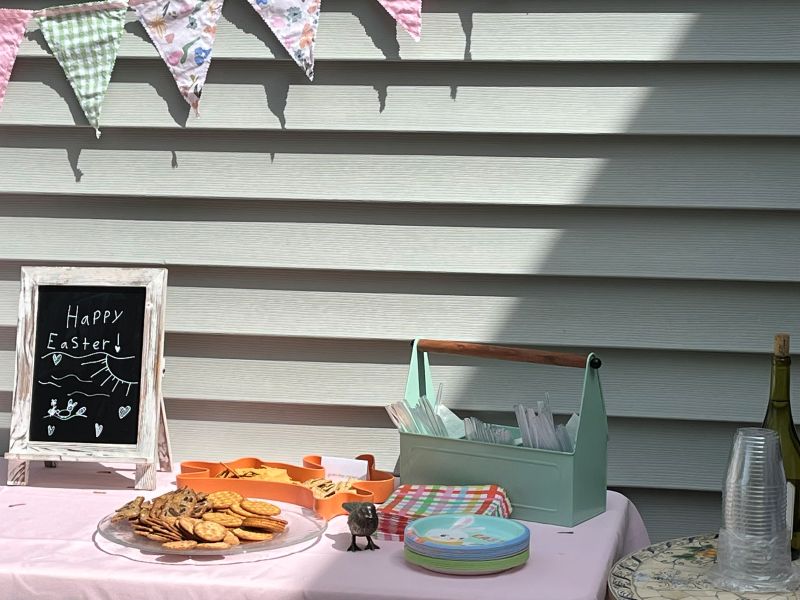
Happy Easter from Sparkles and Sprinkles!
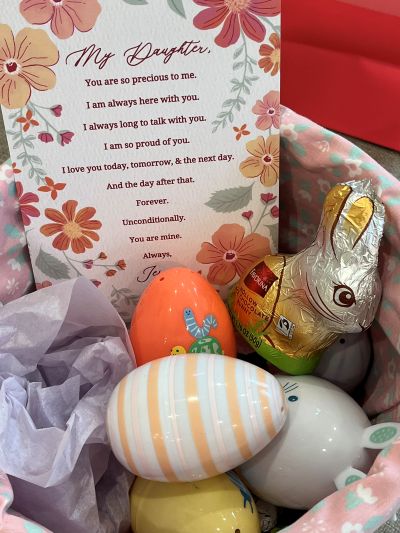
For our daughters’ Easter baskets last year, we found these lovely cards from Just Love Prints… a sweet message from Jesus.

Finding Easter basket treats from artists like Just Love Prints and Marigold Catholic Goods adds a really special touch to Easter surprises. These companies both have beautifully designed faith-filled stickers, cards, and other items that fit so nicely in Easter baskets. I highly recommend visiting these shops for very meaningful Easter treats!

You might also enjoy…
Paper Egg Craft

Gluten-Free Easter Cookies
easter garland

Easter Hymn Garland

Note:  Some links on this page are Amazon Affiliate links.  Sparkles and Sprinkles is a participant in the Amazon Associates Program, an affiliate advertising program designed to provide a means for sites to earn advertising fees by advertising and linking to Amazon.com.

Other links may or may not be affiliate links.  We provide links because we have found these products or services beneficial, and we think you might too.
Many Ways to Multiply: Math Curricula We Love

Many Ways to Multiply: Math Curricula We Love

I distinctly remember sitting in my high school calculus class, and after the teacher explained a concept, a foreign exchange student in the class raised her hand and said, “That’s not how we do that in my country.” I remember being surprised by her comment. It was the first time it occurred to me that math might be taught in different ways in different places.
Homeschooling my children has continued to open my eyes to the many ways that math can be taught.

Having homeschooled for over a decade now, we’ve tried a number of math programs. In this post, we share with you some of the math programs we love. There are so many different ways to learn math, so we find that different curricula have been best for certain children and for certain times in family life. From spiral learning to online programs, from learning through stories to learning through crafts, here are some of the math programs we have used and loved… As there are so many concepts to learn in math, we’ll focus here especially on how each program teaches multiplication, to give a taste of the whole program. (And if you scroll to the bottom, we’ll go beyond multiplying and let you know our top pick for when children get to middle and high school.)

I give the “plusses and minuses” of each program, but please note, we love all of these programs, so there are not really “minuses” of any. Consider the “minuses” to be the challenges we found; however, what we found challenging might be perfect for others.


Math by Hand (creative math learning)

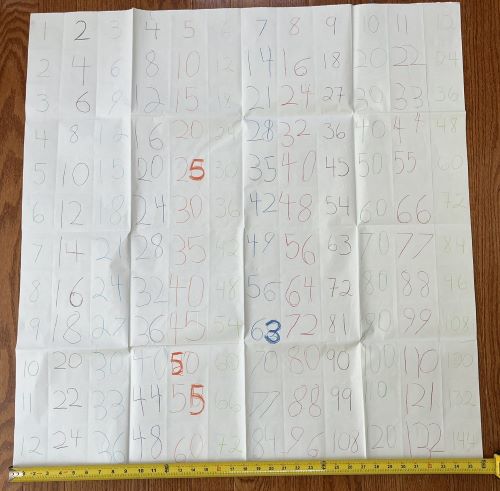
The picture below shows a multiplication chart we made when our oldest daughter was doing Math by Hand in 1st grade. This might be the biggest multiplication chart you’ve ever seen – yes, the ruler is in the picture to show it’s 36 inches by 36 inches! This chart hung on wall in our house for many years. What a great way to have a BIG reminder of the multiplication facts! The program came with this very large sheet of paper and directions for how to fold it to make the chart. The child actually fills in all of the numbers with crayon.

The plusses:

Math by Hand is so much fun, and a wonderful curriculum for families who love to be creative! When we used Math by Hand, we found ourselves learning finger weaving, putting on plays (about math characters!), making books about math, drawing pictures, reading stories, and having a wonderful time learning math together.

The minuses:

I found that Math by Hand could practically become our whole curriculum. That’s a bit of an exaggeration, but as Math by Hand is such a rich curriculum, I felt that we did not have time to do the whole program, plus do all of the other subjects as the children got older.

Life of Fred (math through stories)

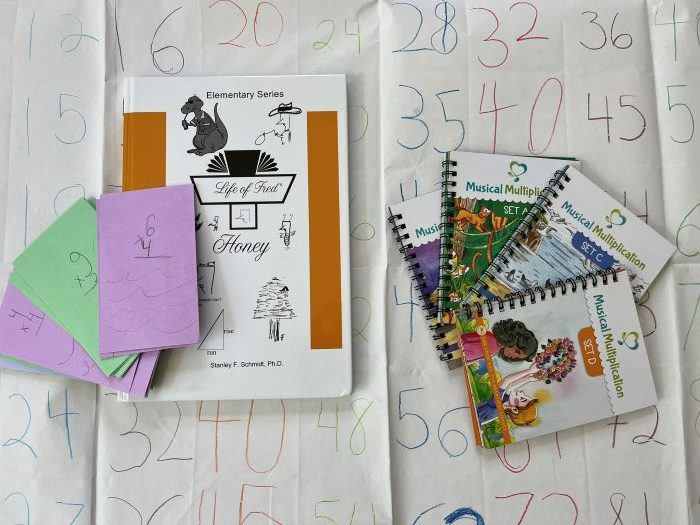
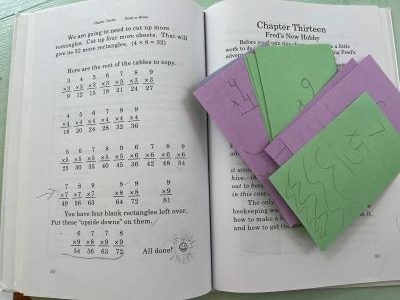
Life of Fred teaches multiplication through the main character, Fred, teaching his students. The program encourages students to create their own multiplication flashcards. Life of Fred makes memorizing the multiplication facts a bit less overwhelming, as it pairs down the facts that actually have to be learned and takes out the repeats (see image below).

The plusses:

Life of Fred is a very unique program. It is a joy to sit down and do math together, as each lesson is woven into the story of the main character, Fred (a very likeable 5-year-old university professor… yes, I said it was unique). As Fred teaches math to his students, and goes about his (very) adventurous daily life, math lessons are learned in the context of the story. I love how this gives children something to anchor their learning to (not just doing a math problem, but seeing the math problems in a “real” situation). My children were excited to do math every day when we used Life of Fred because they could not wait to find out what happened next in the story! Another plus is that even pre-school-age children look forward to listening to the stories in their big sibling’s math lessons.

The minuses:

Life of Fred does not like the idea of what it calls, “drill and kill.” However, extra practice problems might need to be added by the parent if the child seems to need some repetition. (Upper grade levels in the series do offer supplemental books of extra practice problems.)

CTC (online)

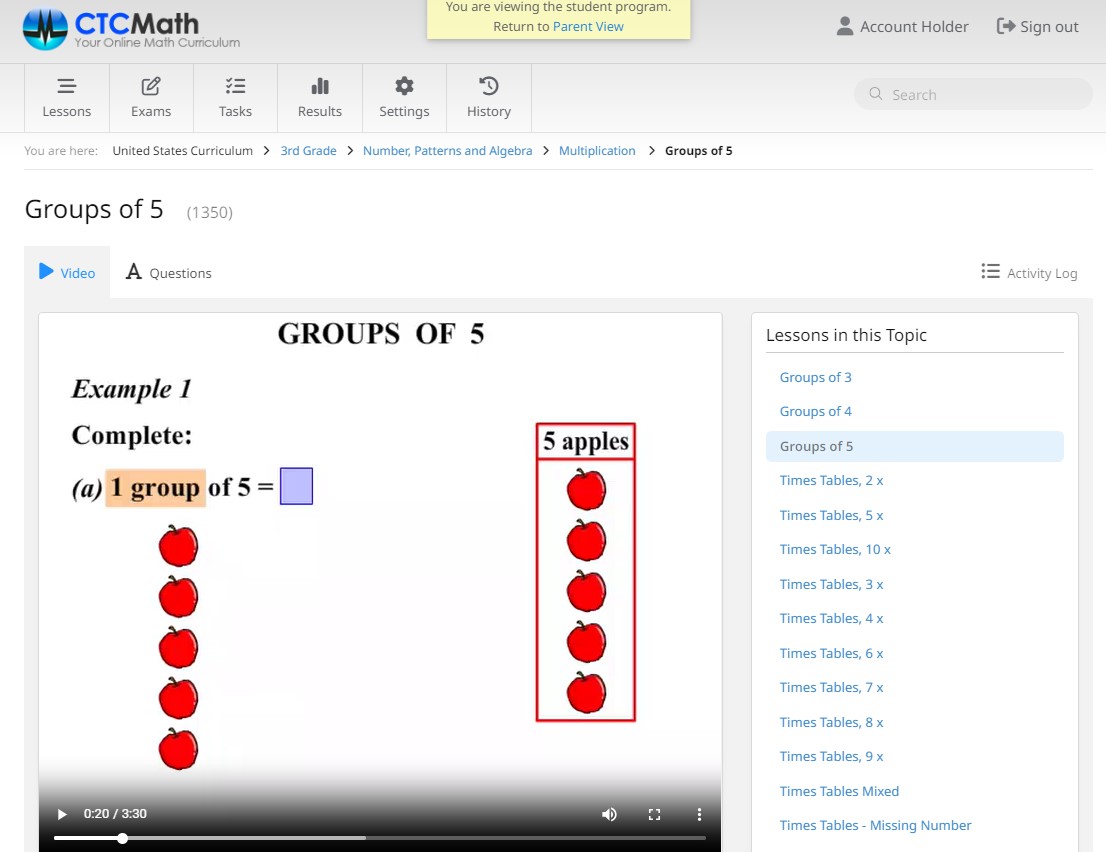
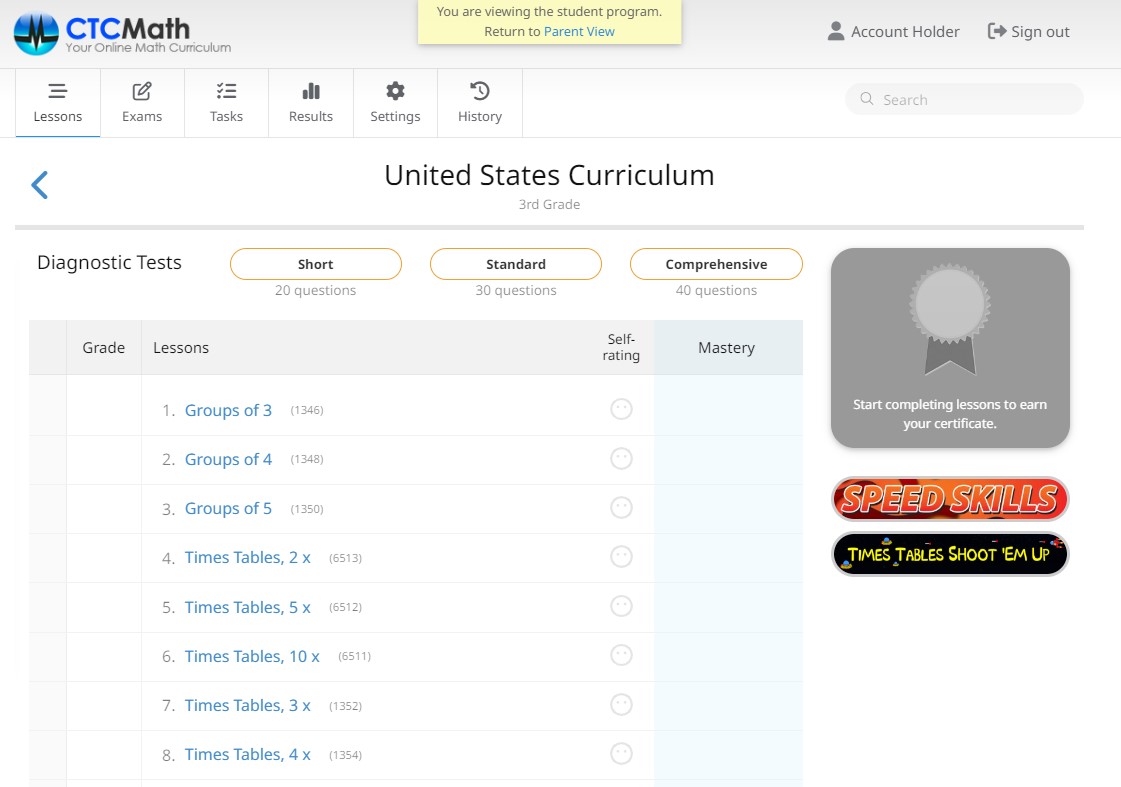
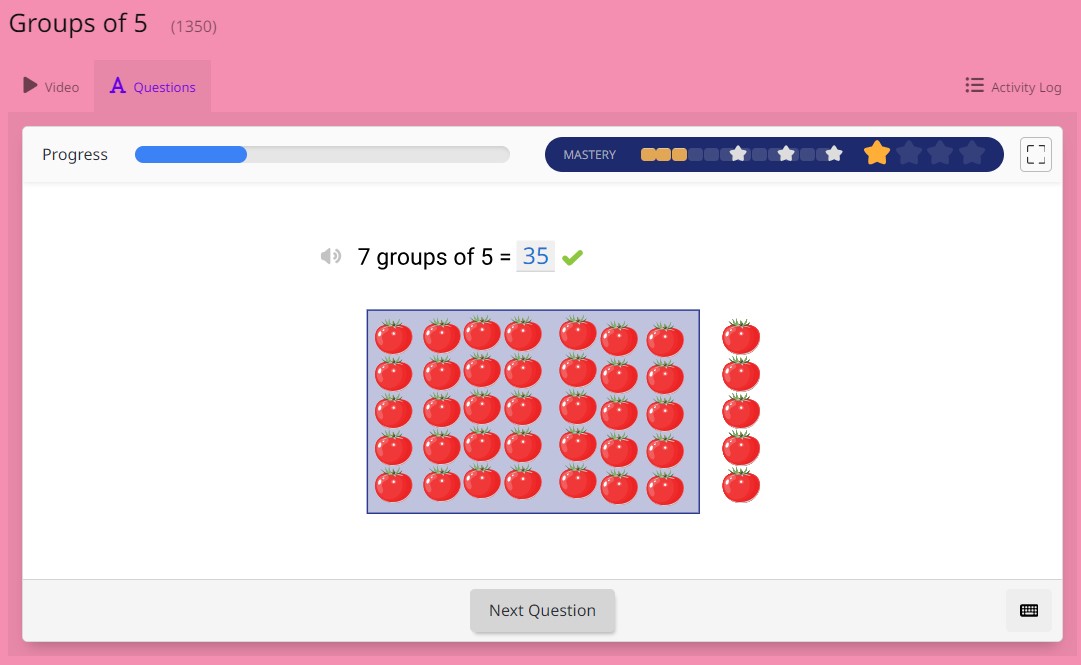
CTC is an oline program that children can use (mostly) on their own. Multiplication is taught with visuals (see images below). The program also offers online multiplication quiz games: “Speed skills” and “Times table shoot ’em up.”

The plusses:

In a season in life when we had a baby and older children, CTC was so helpful! CTC math is completely online. Short videos explain the math concepts, then children complete the math problems. The problems are instantly corrected with feedback given online. Record are kept of all of the scores and course progress automatically in a simple online system.

The minuses:

While having everything instantly corrected and records kept online is very helpful, we found the drawback of this system is that if the child gets stuck on a problem and the parent is not available to help at that time, the child either has to stop, or just move on without getting help. For some of my children, this was very frustrating. This is not a fault of the program, it’s just the nature of everything being online – it’s not possible just to circle the problem in the book and move on to the next one and ask for help later.

The Good and the Beautiful (spiral learning)

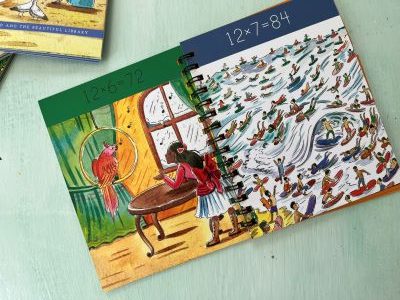
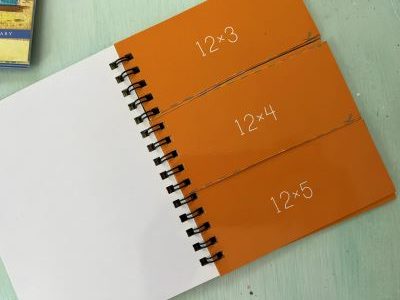
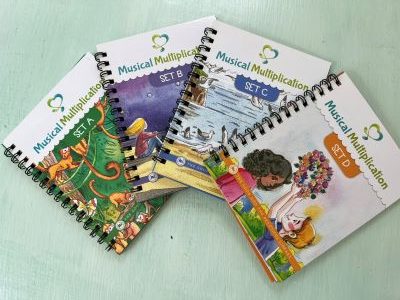
The Good and the Beautiful math program is true to its name. What more beautiful way to learn multiplication tables than with a lovely and image for each multiplication fact! The booklets are accompanied by peaceful songs to teach the multiplication facts, too.

The Musical Multiplication booklets and songs come seperately from the grade level math programs. I was so delighted when I first opened up one of the grade level books… the books are truly beautiful. Filled with lovely watercolor illustrations to accompany the math problems. Just like the beautiful songs, the beautiful books don’t make math learning a breeze every day, but opening up a beautiful book is certainly a lovely way to be greeted by math problems each day.

The plusses:

  • It’s beautiful! What a delight to be able to open up a math book each day and be greeted by lessons with lovely illustrations!
  • This is a spiral learning program. What is spiral learning? Rather than simply doing a long unit on shapes, for example, and then moving to the next concept, concepts are introduced and then circled back to in future lessons, spaced out throughout the book.
  • For the upper grades there are video lessons that introduce each new concept to the child. The teachers in the videos are cheerful and excited about math. They often use visuals in the lessons as well.
  • There are 120 lessons in each book. For us this works really nicely, as we tend to do “book lessons” 4 days a week and then go to our homeschool group on the 5th day. We put about 120 days (with a few extra) of “book lesson” days on our school year calendar.
  • My 5th grader just mentioned the other day that she also likes that the answer key shows mini images of the question pages, so it is easier to correct the work.

The minuses:

We find that in the upper grades (beginning in 5th grade or so) there are too many problems to fit into what we think is a reasonable amount of time to work on math each day. I find myself either telling my children to only do some of the problems, or they take two days for one lesson. I wish that the problems were arranged in such a way that there were “mandatory problems” and “if you need more practice problems.” I explain to my children that when I was in school, I remember the teacher sometimes assigning “just the even number problems” if there were too many in one lesson. They get frustrated and feel like they are not completing the lesson when I have them do just some of the problems, and yet doing all of the problems makes them frustrated because it takes too long. So my suggestion would be to have a talk with your child about what is expected (that they might not have to do every problem, and that’s okay). Or perhaps set a timer for the amount of time that math is in the schedule and just do the number of problems that fit in that time (this might mean taking more than one day on each lesson).


Climbing Higher (middle school and high school math)

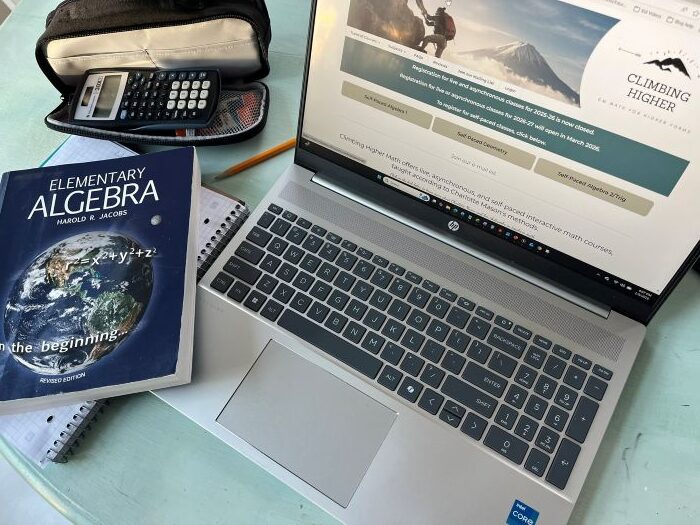
We are just beginning the journey into high school level homeschool math, and we are so grateful to have found the Climbing Higher Math program. This program is taught by wonderful homeschool moms who explain math in a beautiful way! For Algebra I, they use the book, Elementary Algebra by Harold R. Jacobs. I love this book… It reminds me of the books I used when I was growing up (in a good way!). It is simple and straightforward, while also encouraging students to really think about and understand the “why” behind the math they are learning.

Climbing Higher Math offers live classes, asynchronous classes, and self-paced classes. This variety allows for families to choose what is best for their children and family schedule.

I find that choosing a math curriculum is about so many things: the child, the parent, and the whole family. We love all of these math programs. The fact that we have moved from one to another just means that our life circumstances changed, so we looked for new math programs that suited each child at the time.

Praying for you as you and your children learn math together!

This post is dedicated to my dad. Though I was not homeschooled, I always say, “My dad was my math teacher.” I often did not understand what the math teachers were explaining in school, but I always knew I could come home and ask Dad. He joyfully explained math to me in a way that clicked. Thank you, Dad, for your help back when I was in school. Your example helps me as I teach my children today.

Note:  Some links on this page are Amazon Affiliate links.  Sparkles and Sprinkles is a participant in the Amazon Associates Program, an affiliate advertising program designed to provide a means for sites to earn advertising fees by advertising and linking to Amazon.com.

Other links may or may not be affiliate links.  We provide links because we have found these products or services beneficial, and we think you might too.
12 Days of Christmas Garland

12 Days of Christmas Garland

Many years ago, though I remember it like it was yesterday, I was teaching an English class for middle school students in France. Around Christmas time, I thought it might be nice to teach the song, “The 12 Days of Christmas.” The students really enjoyed learning the song, though I think they wondered about the very unique gifts in the song (I don’t think we talked much about the rich symbolism in the song).
Inspired by this memory, I decided to create two different 12 Days of Christmas garlands this year. One has “The 12 Days of Christmas” translated into French. The other lists the symbolism of each of the 12 gifts. The printable garlands are available in our Etsy shop.
“The 12 Days of Christmas” is, of course, a very English song (however, it may actually have French origins). But why learn the words to an English song in French? Studies show that knowledge of vocabulary in learning a second language is very beneficial for enhancing comprehension, fluency, and confidence. Plus, having knowledge of new words in a second language is fun. We hope learning vocabulary in French for words we are so familiar with in English will add a little extra joy in this joyful season! (You can learn the pronunciation of the French words with our short YouTube video. Please note that the translation is for the sake of learning vocabulary in French, but the translation does not fit into the melody of the song.)
The garland with the symbolism of the gifts is in English. I often forget the meaning of the symbolism of the gifts, and if you are like me, you might enjoy this festive little reminder too. While celebrating the 12 days, starting on December 25th, you might also enjoy the ideas suggested in this article about the “12 Days of Christmas” song from dynamiccatholic.com.  
The printable garlands are available in our Etsy shop. Simply print and cut out the cards, then hang them, using mini clothespins. If you like, you can face them all forward right away, or you can turn them over one-by-one on each of the 12 days of Christmas

Joyeux Noël! Merry Christmas!

Chocolat à l’ancienne (with dairy-free option)

Chocolat à l’ancienne (with dairy-free option)

French hot chocolate. Amazingly decadent, surprisingly simple. French has the perfect word to describe this delicious treat: onctueux – a word that means rich, smooth, and creamy all at the same time.

Chocolat à l’ancienne, which could translate to “old-fashioned chocolate,” is served in famous Parisian cafés. It is a special treat, but it can be made at home quite easily, with a few simple ingredients.

Are you ready to enjoy it? Let’s make chocolat à l’ancienne.

Ingredients:

Ingredients (for 2 small cups of hot chocolate):

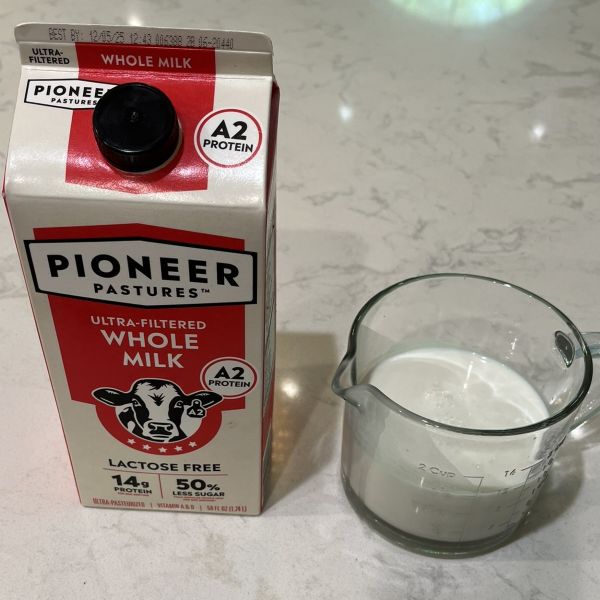
12 ounces (1.5 cups) whole milk*

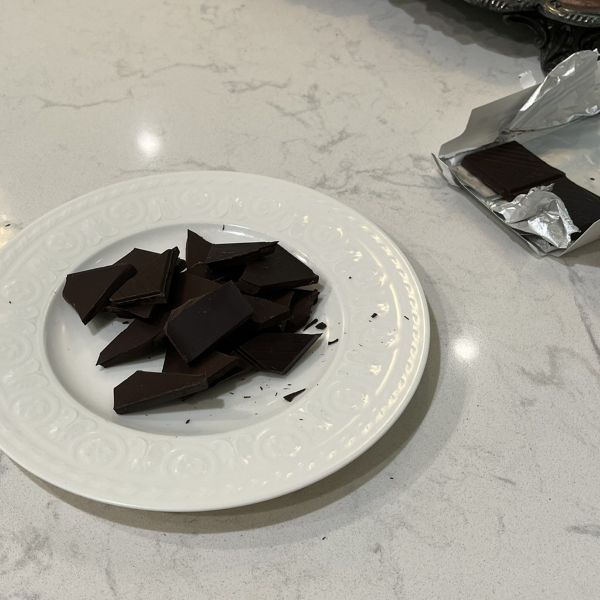
3 ounces dark chocolate (60% – 90%) – broken into pieces

½ tsp vanilla extract or one cinnamon stick

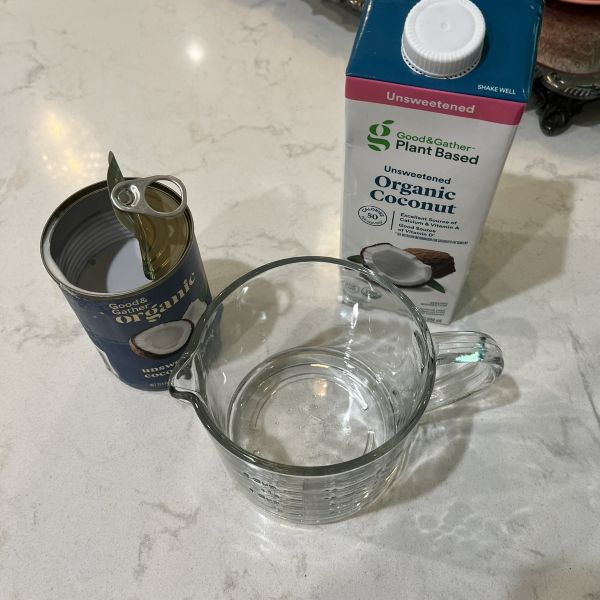
*For dairy-free version, use 1 cup coconut milk from a carton and 1/2 cup canned coconut milk, in place of whole milk.


1 1/2 cups whole milk

Chocolat à l’ancienne is rich and creamy. You can use 1.5 cups whole milk, or for an even creamier version, consider using 1 1/4 cups whole milk and 1/4 cup heavy cream.

OR: For a dairy-free version, use 1 cup coconut milk from a carton, and 1/2 cup canned coconut milk

If you would like to make a dairy free version, use 1 cup coconut milk from a carton and 1/2 cup coconut milk from a can. Canned coconut milk has a higher fat content than coconut milk from a carton. This proportion of canned and carton coconut milk gives the right balance to be similar to whole milk.

3 oz. dark chocolate, broken into small pieces

Chocolat à l’ancienne is mean to be rich and not overly sweet. You can use dark chocolate from 60% to 90%. The lower the percent, the sweeter your drink will be. (You can always add extra sweetener to each cup to your taste.)

1/2 tsp. vanilla extract or a cinnamon stick

Add a flavor of your choice to your hot chocolat. 1/2 teaspoon vanilla extract, or a cinnamon stick. (Be sure to remove the cinnamon stick before serving.)

Instructions:

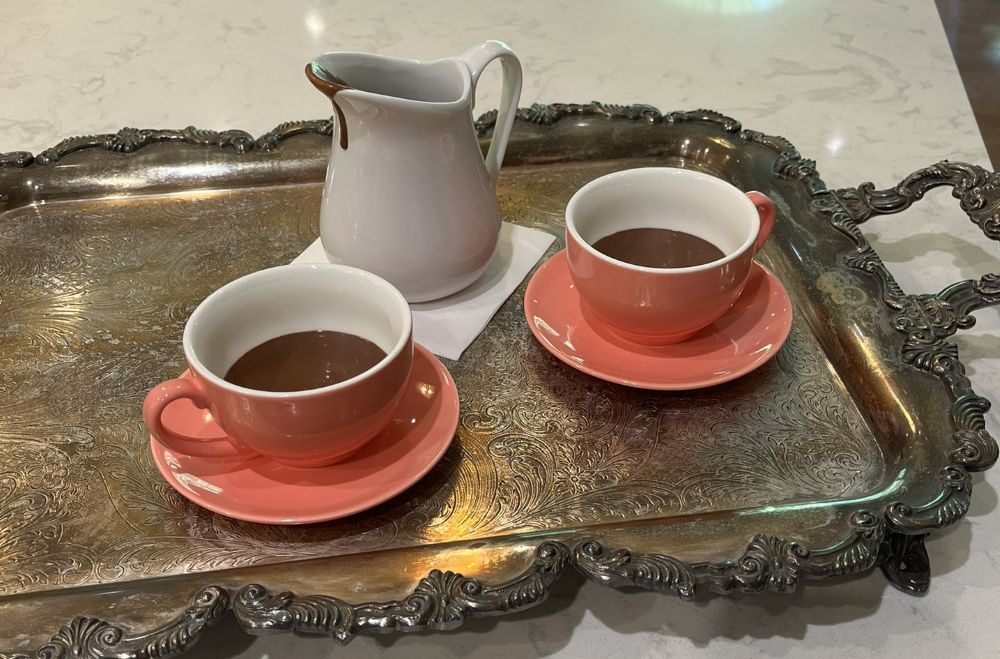
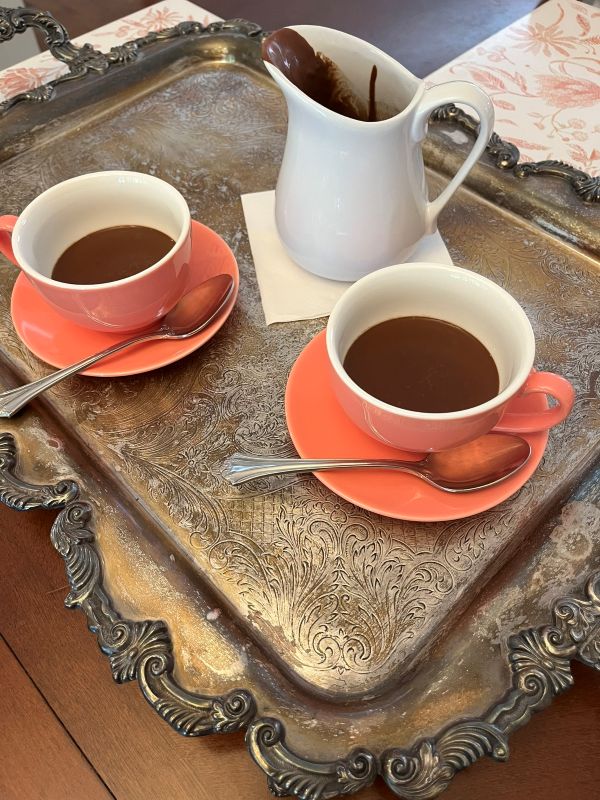
Pour milk into saucepan. Turn burner to medium heat. Add chocolate pieces and vanilla extract (or cinnamon stick). Wisk continually until a thick and creamy mixture forms. Pour into a small pitcher. Serve on a tray with two cups. Add sweetener as desired.

Watch our video to see how easy it is to make chocolat à l’ancienne. 

Enjoy!

Simple Salade Niçoise

Simple Salade Niçoise

Bring a little southern French sunshine to your day with this simple salade Niçoise. Salade Niçoise is a traditional salad that one can find in restaurants all over France, but especially in the south. There are many variations of the salad. The recipe in this post is especially made so that children can easily make the salad. Our recipe is inspired by a wonderful recipe in The Best Ever French Cooking Course book.

The salad could be made on one large platter, but in this recipe, we suggest making individual plates of salad. This way each plate on the table can look pretty. This recipe serves 4 people, but it is easy to adapt the recipe for fewer or additional servings.

Let’s make Salade Niçoise…

Ingredients for the salad:

  • Bag of salad greens (pre-washed to save time)
  • 3-4 small tomatoes
  • 1 cucumber
  • 4 handfuls green beans (pre-washed and cut to save time)
  • several black olives
  • 4 hardboiled eggs 
  • 2 cans tuna

Ingredients for the dressing:

  • 1 Tbsp. Dijon mustard
  • 1 Tbsp. crushed garlic (pre-crushed in a jar to save time)
  • juice of 1 large lemon
  • 1/2 cup olive oil
  • dash of black pepper


Supplies:

  • cutting board
  • knife
  • peeler
  • spoon
  • tablespoon
  • 1/2 cup measuring cup
  • juicer
  • jar and cover
  • 4 dinner plates


To make the salad, lay 4 plates on the counter. Add ingredients to the plates in the way shown below to arrange a beautiful salad on each plate.

Step 1

Place a handful of pre-washed salad greens on each plate.

Step 2

Wash and slice tomatoes.

Step 3

Place a handful of sliced tomatoes over the salad greens on each plate.

Step 4

Peel and slice the cucumber.

Step 5

Place a handful of sliced cucumbers on each plate.

Step 6

Steam the green beans (ask a adult for help with steaming). Cool the green beans with cold water, then place them in a wreath shape on top of the salad.

Step 7

Add half of a can of tuna to the center of each plate.

Step 8

Slice the eggs.

Step 9

Arrange egg slices and olives around the edge of the salad on each plate.

Step 10

To prepare the dressing, first juice one lemon.

Step 11

Pour the lemon juice (about 4 Tablespoons) into a jar.

Step 12

Add a Tablespoon of crushed garlic and a Tablespoon of Dijon mustard to the jar.

Step 13

Add 1/2 cup olive oil and a dash of black pepper to the jar.

Step 14

Place the lid securely on the jar and shake to combine.

Step 15

Pour the dressing over each plate of salad. Serve and enjoy!

Bon appétit!